Grow A Beautiful And Bountiful Harvest Of Red Cabbage With The Right Companion Plants
Grow a Beautiful and Bountiful Harvest of Red Cabbage with the Right Companion Plants
Red cabbage is a delicious and versatile vegetable that can be enjoyed in a variety of dishes. It is also a relatively easy crop to grow, but there are a few things you can do to ensure a beautiful and bountiful harvest.
One of the most important things to consider when growing red cabbage is companion planting. Companion planting is the practice of planting certain types of plants together to benefit each other. There are a number of different companion plants that can be beneficial for red cabbage, including:
- Carrots: Carrots and cabbage are both susceptible to common diseases and pests, but they have different growth habits. Carrots grow primarily underground, while cabbage grows above ground. This means that they can share the same garden space without competing for resources.
- Beets: Beets are another great companion plant for cabbage. They are similar in growth habit to carrots, and they also share a few pests with cabbage. Beets are a bit easier to grow for novice gardeners than carrots, and they can be harvested at the baby stage for sweet, tender treats.
- Onions: Onions can help to repel pests that can damage cabbage plants, such as aphids and cabbage moths. They can also help to improve the flavor of the cabbage.
- Garlic: Garlic is another great pest repellent, and it can also help to improve the flavor of the cabbage.
- Herbs: A variety of herbs can be beneficial for red cabbage, including dill, cilantro, and rosemary. These herbs can help to repel pests, attract beneficial insects, and improve the flavor of the cabbage.
In addition to companion planting, there are a few other things you can do to ensure a successful harvest of red cabbage. These include:
- Planting in the right location: Red cabbage needs full sun and well-drained soil. It is also important to plant red cabbage in a location that is protected from strong winds.
- Watering regularly: Red cabbage needs to be watered regularly, especially during hot, dry weather.
- Fertilizing: Red cabbage benefits from regular fertilization. You can use a balanced fertilizer, such as a 10-10-10 fertilizer, every few weeks.
- Pest and disease control: Red cabbage is susceptible to a number of pests and diseases, such as aphids, cabbage moths, and clubroot. It is important to monitor your plants for pests and diseases and to take steps to control them as soon as possible.
With a little care and attention, you can easily grow a beautiful and bountiful harvest of red cabbage. So get out there and start planting!
Red cabbage companion plants
Red cabbage is a delicious and versatile vegetable that can be enjoyed in many different ways. But did you know that the plants you choose to grow near your red cabbage can have a big impact on its growth and health?
Some of the best companion plants for red cabbage include:
- Carrots: Carrots help to repel pests like cabbage moths and root maggots.
- Beans: Beans fix nitrogen in the soil, which can help to improve the health of your red cabbage plants.
- Lettuce: Lettuce helps to suppress weeds and attract beneficial insects.
- Onions: Onions help to repel pests like aphids and cabbage loopers.
- Marigolds: Marigolds help to repel pests like cabbage moths and Japanese beetles.
If you're looking for more information about red cabbage companion plants, I recommend visiting Gardenia Inspiration. This website has a wealth of information on the topic, including a list of the best companion plants for red cabbage, as well as tips on how to plant and care for these plants.
FAQ of red cabbage companion plants
FAQs about Red Cabbage Companion Plants
1. What are the best companion plants for red cabbage?
Some of the best companion plants for red cabbage include:
- Basil: Basil helps to repel cabbage moths and other pests.
- Carrots: Carrots help to deter the root-knot nematode, a common pest of cabbage.
- Chives: Chives help to repel aphids and other pests.
- Dill: Dill helps to attract beneficial insects, such as ladybugs and hoverflies, which prey on pests.
- Onions: Onions help to repel aphids and other pests.
- Potatoes: Potatoes help to deter the Colorado potato beetle, a common pest of cabbage.
- Raspberries: Raspberries help to attract beneficial insects, such as ladybugs and hoverflies, which prey on pests.
- Spinach: Spinach helps to deter the cabbage looper, a common pest of cabbage.
2. What are some plants that should be avoided planting near red cabbage?
Some plants that should be avoided planting near red cabbage include:
- Broccoli: Broccoli and other brassicas are susceptible to the same pests and diseases, so planting them together can increase the risk of infection.
- Celery: Celery can attract aphids, which can also infest cabbage.
- Peas: Peas can attract pea moths, which can also infest cabbage.
- Tomatoes: Tomatoes can attract whiteflies, which can also infest cabbage.
3. Why is companion planting important for red cabbage?
Companion planting is the practice of planting certain types of plants together to benefit each other. By planting the right companion plants near red cabbage, you can help to:
- Attract beneficial insects: Beneficial insects, such as ladybugs and hoverflies, help to prey on pests that can damage cabbage. Companion plants that attract beneficial insects include dill, fennel, and yarrow.
- Repel pests: Some companion plants, such as basil and chives, have strong scents that can repel pests that damage cabbage.
- Improve soil health: Some companion plants, such as legumes, can fix nitrogen in the soil, which can benefit the growth of cabbage.
- Improve pollination: Some companion plants, such as carrots and tomatoes, can attract pollinators, which can help to improve the pollination of cabbage.
4. How far apart should red cabbage be planted from other plants?
Red cabbage should be planted about 18 inches apart from other plants. This will give the plants enough space to grow and mature properly.
5. What are some other tips for growing red cabbage?
Here are some other tips for growing red cabbage:
- Plant red cabbage in full sun.
- Amend the soil with compost or manure before planting.
- Water red cabbage regularly, especially during hot, dry weather.
- Fertilize red cabbage every few weeks with a balanced fertilizer.
- Harvest red cabbage when the heads are firm and compact.
Image of red cabbage companion plants
5 different images of "red cabbage companion plants" from Pinterest:
- Red cabbage and carrots

Carrots and red cabbage are both root vegetables that grow well together. They have similar growing requirements and can help to deter pests from each other.
- Red cabbage and beans
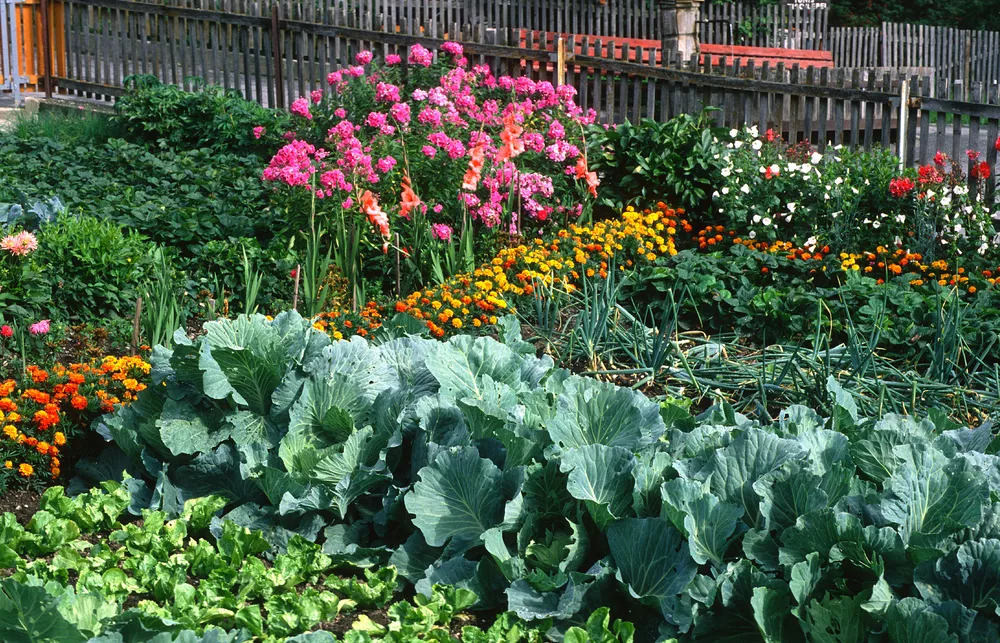
Beans are nitrogen-fixing plants, which means they can help to improve the soil quality for red cabbage. They also provide shade for the cabbage, which can help to protect it from pests.
- Red cabbage and onions
Onions have a strong scent that can help to deter pests from red cabbage. They also help to improve the flavor of the cabbage.
- Red cabbage and chives
Chives are another herb that can help to deter pests from red cabbage. They also add a touch of flavor to the cabbage.
- Red cabbage and marigolds

Marigolds are a type of flower that can help to repel pests from red cabbage. They also add a splash of color to the garden.

Post a Comment for "Grow A Beautiful And Bountiful Harvest Of Red Cabbage With The Right Companion Plants"